
A Comprehensive Guide to Security Systems in 2025
A Comprehensive Guide to Security Systems in 2025
Article Synopsis
Discover the top security systems in 2025. This guide covers the latest technologies, trends, and tips to protect your home or business effectively.

In today’s ever-evolving technological landscape, ensuring the safety of your home or business has never been more important. The security market has witnessed dramatic advancements in both functionality and ease of use, making it essential for consumers to understand the options available. This article will explore the diverse types of security alarms, sensors, and cameras currently on the market; outline the key considerations when selecting these devices; analyse the pros and cons of wireless versus wired systems; and present an in-depth review of the most popular products available in the UK in 2025—complete with pricing details. Whether you are looking for a full installation or a DIY upgrade, this guide is designed to equip you with the knowledge you need to build an effective security network that suits your property, your lifestyle, and your budget.
1. Exploring the Types of Security Alarms, Sensors, and Cameras
Before investing in any security system, it’s vital to understand the range of options available. The world of security technology falls into three broad categories: alarms, sensors, and cameras. Each plays a unique role in protecting your property and together they form an interdependent network designed to deter threats, alert you in real time, and document any suspicious activity.
Security Alarms
Conventional Burglar Alarms: The traditional burglar alarm has been a staple for decades. Typically, these systems rely on a network of door and window sensors connected by wires to a central control panel. When a breach is detected, the system triggers an audible alarm and notifies either the homeowner or a monitoring service. Their wired nature often makes them very reliable and less prone to signal interference, but installation can be invasive and typically requires a professional.
Wireless Alarms: Modern wireless alarm systems have surged in popularity due to their ease of installation and flexibility. These systems operate by communicating via radio frequencies or Wi-Fi and are usually battery-powered. They allow homeowners to reposition devices quickly, integrate easily with other smart home technologies, and are generally more aesthetically pleasing since there is no need for extensive wiring. However, they do require regular battery changes and may occasionally face issues related to signal interference.
Combined and Multi-Hazard Systems: Increasingly, security systems are designed to offer multiple types of protection within one unified platform. Integrated systems often combine burglary detection with fire, carbon monoxide, and even panic alarms. These comprehensive solutions mean one central unit can monitor various threats, providing a layered and coordinated response to emergencies.
Security Sensors
Sensors are the unsung heroes that form the “sense” of your security system; they’re often the very first line of detection.
Motion Sensors (PIR Sensors): Passive Infrared (PIR) motion sensors have become ubiquitous. They detect heat changes within their field of view and trigger an alarm when irregular movement is noted. Modern sensors often combine PIR with microwave or ultrasonic technology to lower the chances of false alarms—for example, those triggered by pets or moving curtains.
Glass Break Sensors: These sensors are engineered to recognize the unique acoustic properties of shattering glass. Ideal for window applications, glass break sensors pick up the specific frequency and vibrations associated with a pane breaking, helping to quickly alert the system to a forced entry.
Door/Window Contact Sensors: Installed on doors and windows, these sensors use magnetic coupling to detect when a door or window is opened unexpectedly. Their simplicity and reliability make them a foundational component in most alarm systems.
Vibration Sensors: Often used in conjunction with other sensor types, vibration sensors detect unusual tremors or jolts that may indicate forced entry. Though less common than PIR motion sensors, they are particularly useful in industrial settings or areas with high sensitivity.
Environmental Sensors: While not used for intrusion detection per se, environmental sensors—including smoke, carbon monoxide, and water leak detectors—play a crucial role in comprehensive safety. When integrated with an alarm system, they can alert occupants to hazards that might otherwise go unnoticed until significant damage occurs.
In recent years, many of these devices have undergone major upgrades. For example, artificial intelligence (AI) has begun to play a role in sensor technology, where sensor data can be analysed in real time to differentiate between harmless events (like a pet’s activity) and true threats. This reduces the frequency of false alarms and ensures that your system remains both vigilant and efficient.
Security Cameras
Today’s security cameras are far more than simple recording devices; they are intelligent tools designed for real-time monitoring and post-incident analysis.
Analog CCTV Cameras: Once the industry standard, analog CCTV cameras transmit video signals to a digital video recorder (DVR) via cable connections. While these systems are tried and true, they lack many of the advanced features found in newer digital models, such as remote access and high-definition streaming.
IP (Internet Protocol) Cameras: IP cameras use network connectivity to send digital video over the internet. They offer higher resolution, customizable alerts, and advanced analytics such as object and facial recognition. Their digital nature also makes them far more adaptable for integration into smart home ecosystems.
Wireless Cameras: These cameras share many features with IP cameras but are connected wirelessly. Their ease of placement—without the need for extensive cabling—has made them popular in both residential and commercial settings. Wireless cameras often come with cloud storage and remote monitoring capabilities, ensuring that you can keep an eye on your property even when you’re away.
Dome vs. Bullet Cameras: The design of your camera can affect both its functionality and how conspicuous it is. Dome cameras tend to be less obtrusive and are usually more resistant to vandalism, making them well-suited for indoor use. Bullet cameras, on the other hand, are robust and weather-resistant, making them ideal for outdoor applications where durability is paramount.
PTZ (Pan-Tilt-Zoom) Cameras: For dynamic surveillance, PTZ cameras allow users to remotely adjust the viewing angle and zoom level, which is especially useful in large or open areas. Their ability to follow moving objects in real time makes them a critical component of advanced security systems.
Smart Doorbell Cameras: The rise of video doorbells, epitomized by systems like the Ring doorbell, reflects changing consumer behaviour. These devices not only record high-quality video but also allow homeowners to speak directly to visitors using two-way audio. They’re part of a trend toward integrating everyday devices into broader security ecosystems.
Technological advancements have also led to AI-powered cameras that can distinguish between a passing car, a stray animal, or a potential intruder. These systems often use machine learning algorithms to minimize false alerts and enhance detection accuracy, demonstrating how far security technology has evolved.
2. Key Considerations When Selecting a Security Device
Choosing the right security system is not a one-size-fits-all decision. It involves thoughtful consideration of several factors tailored to your property’s specific needs. Here are the most important considerations to keep in mind:
Purpose and Coverage
Begin by asking yourself what you really need to protect. Are you most concerned about intrusions, or is your priority to safeguard against fires, carbon monoxide leaks, or even environmental hazards such as water ingress? For properties vulnerable to break-ins, a combination of door/contact sensors and motion detectors might be sufficient. Larger premises may benefit from a network of outdoor cameras paired with environmental sensors, ensuring every entry point is covered.
Installation and Integration
Next, decide whether you prefer a do-it-yourself approach or professional installation. Wireless systems are generally more suited to DIY setups—they require little to no cabling and can be set up quickly. In contrast, wired systems, though incredibly reliable, may demand professional installation, especially if you need to run cables through walls or across long distances. Beyond installation, consider how well the system integrates with your existing smart home devices. Compatibility with platforms such as Alexa, Google Assistant, or Apple HomeKit can add convenience and enhanced control.
Reliability and Maintenance
Reliability is paramount when it comes to security. Examine whether the system offers backup options (like battery power in wireless devices or UPS systems for wired setups) to remain operational during outages. Maintenance is another key factor—devices that can be easily serviced, updated, or have their batteries replaced without expert intervention may save you time and money over the system’s lifespan.
Cost Implications
Cost is always a significant factor in any purchasing decision. It’s important to look beyond the initial price tag and consider ongoing expenses such as monthly monitoring fees, subscription costs for cloud storage, battery replacements, and potential repair charges. Often, investing a bit more upfront in a high-quality system will pay dividends in the long run by reducing the risk of breaches and minimizing maintenance expenses.
Scalability and Flexibility
As your needs evolve over time, your security system should be able to grow with them. Systems that allow the addition of new sensors and cameras without requiring a complete overhaul are ideal, particularly for businesses or families with expanding security needs. Future-proof your investment by choosing systems that support remote firmware upgrades and new technological integrations.
Privacy and Data Security
In the digital age, privacy concerns are more pronounced than ever. Make sure that the system you choose uses robust encryption protocols to protect video feeds and sensor data. Some systems offer local storage options—ideal for those who are wary of cloud-based vulnerabilities. Always review the privacy policies of manufacturers and verify that data is handled responsibly.
User Interface and Alert Customization
A secure system is only as good as its usability. Evaluate the user interface of any system you consider, whether it’s through a smartphone app or a web dashboard. Customizability in notifications—such as being able to define thresholds for alerts or set time-based preferences—can greatly enhance your overall experience and ensure that you only receive critical information when it matters most.
Additionally, the layout of your property (urban vs. rural settings, multi-story buildings vs. single-storey homes) will influence device performance. For instance, a system designed for an urban apartment complex might differ significantly from one installed in a sprawling suburban manor. Assess your environment carefully to determine sensor sensitivity and camera placement options.
Taking the time to weigh these considerations will enable you to select a system that is both robust and perfectly aligned with your personal and property-specific security needs.
3. Wireless vs. Wired Security Systems: Which Is Better?
One of the most common dilemmas faced by potential buyers is whether to opt for a wireless or wired security system. Each approach has its own advantages and challenges. Below, we present a balanced analysis that includes five pros and five cons for each system type.
Wireless Security Systems
Pros:
- Simplified Installation: Wireless systems eliminate the need for extensive cabling, allowing for a faster and less invasive installation process. This is particularly beneficial for renters or properties where drilling is not desirable.
- Flexibility in Placement: With no wires to restrict them, wireless devices can be repositioned easily. This flexibility is especially useful when you need to adapt your system to changing security needs or modifications in your property layout.
- Scalability: It’s often much simpler to add sensors or cameras to a wireless system. Whether you’re expanding coverage or upgrading individual components, additional devices can usually be integrated with minimal effort.
- Aesthetic Appeal: The lack of visible cables maintains the visual integrity of your property, an important consideration for modern interiors where clean lines and uncluttered spaces are prized.
- Remote Integration: Wireless systems are built for the digital age, offering seamless integration with mobile apps and other smart home devices. This connectivity allows for real-time monitoring and immediate alerts wherever you are.
Cons:
- Battery Dependency: Many wireless devices rely on battery power, meaning periodic battery replacement and monitoring is necessary to keep your system operational.
- Susceptibility to Interference: Wireless signals can be affected by physical obstacles, other electronic devices, or even inclement weather, which may compromise system reliability.
- Security Vulnerabilities: If not properly encrypted or updated, wireless networks can be vulnerable to hacking attempts, putting your property and personal data at risk.
- Limited Bandwidth: In environments with numerous wireless devices, network congestion can lead to slower performance or reduced reliability, particularly for high-resolution video feeds.
- Ongoing Maintenance Costs: Although the initial setup may be more affordable without professional installation, the cost of periodic battery replacements and troubleshooting interference issues can add up over time.
Wired Security Systems
Pros:
- Reliable Connectivity: Wired systems provide a stable, uninterrupted connection that is largely unaffected by wireless interference, ensuring consistent operation even in densely populated electronic environments.
- Constant Power Supply: Direct wiring typically means that your sensors and cameras are connected to a constant power source, eliminating the need for regular battery checks and replacements.
- Superior Data Transmission: Wired connections generally offer higher bandwidth, which is essential for high-resolution video streaming and real-time monitoring with minimal lag.
- Enhanced Security: Physical wiring reduces the risk of remote hacking, as potential intruders cannot easily intercept a cable signal compared to a wireless network.
- Reduced Operational Downtime: With a constant power supply and robust connectivity, wired systems tend to exhibit fewer dropouts or performance lags during critical moments.
Cons:
- Complex Installation: Installing a wired system often requires significant structural work, including running cables through walls and ceilings. This process typically demands professional installation and can be disruptive. However, fortunately we have great alarms & security specialists on our platform that can make the whole process easier: Security alarm installers near you
- Higher Upfront Costs: The labour and materials required for wiring can increase the overall cost of the system, which may be a barrier for budget-conscious consumers.
- Limited Flexibility: Once installed, the permanent wiring means that repositioning or upgrading individual components can be very challenging and may require extensive re-installation work.
- Aesthetic Issues: Visible cables may detract from the interior design and overall appearance of your property, particularly in modern settings where sleek aesthetics are prized.
- Intrusiveness During Renovations: Should you need to renovate or reconfigure your space, a wired system can become a hindrance, as its fixed placement may not suit new layouts or designs.
In summary, the choice between wireless and wired systems ultimately hinges on your specific circumstances. If you value flexibility, ease of installation, and aesthetic simplicity, a wireless system might be the best solution. On the other hand, if you prioritize consistent power, robust connectivity, and minimal concern over interference, a wired system stands out as a more reliable option. Advances in technology have also led to the creation of hybrid systems that incorporate both wired and wireless elements, providing a customized solution that leverages the strengths of each approach.
4. Popular Security Devices in the UK Market in 2025
The landscape of security products in the United Kingdom has evolved rapidly, with consumers now enjoying a diverse range of high-performance options. According to recent market data and consumer surveys, several products have emerged as favourites based on reliability, feature sets, and overall value. Below is an overview of the most popular security alarms, sensors, and cameras available in 2025, along with their approximate costs.
Popular Security Alarms
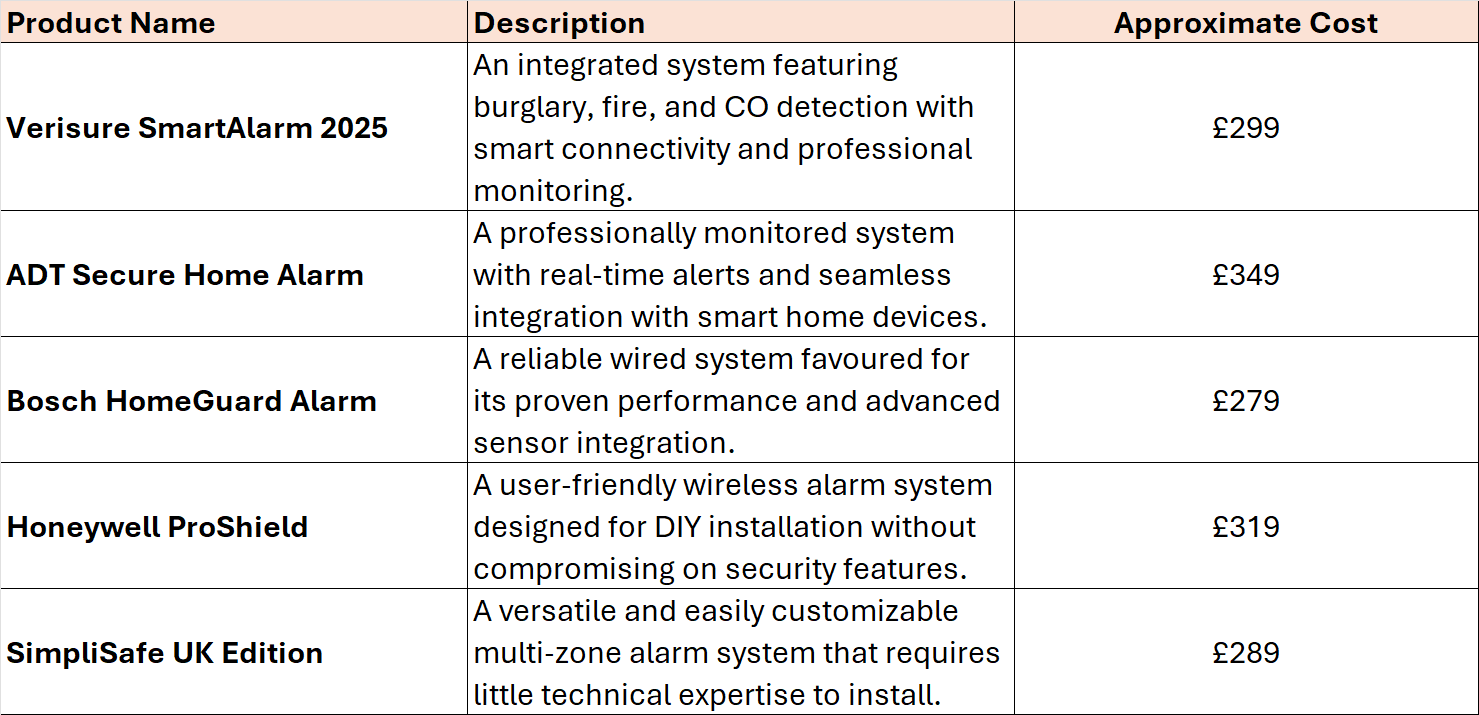
These products have received strong endorsements from both security experts and consumer review platforms for their ease of use, robustness, and overall value for money.
Popular Security Sensors
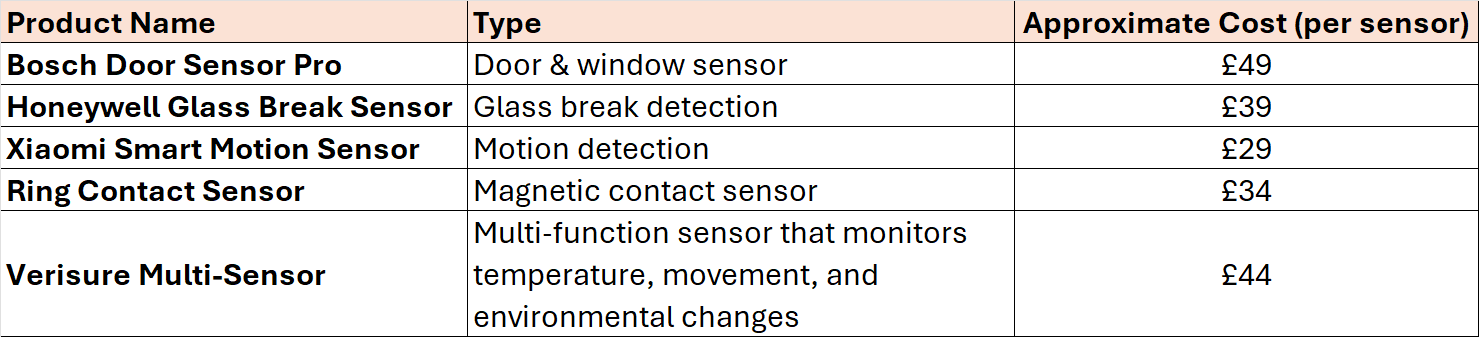
These sensors have been praised for rapid response times, ease of integration with broader systems, and intelligent algorithms that help reduce false alerts.
Popular Security Cameras
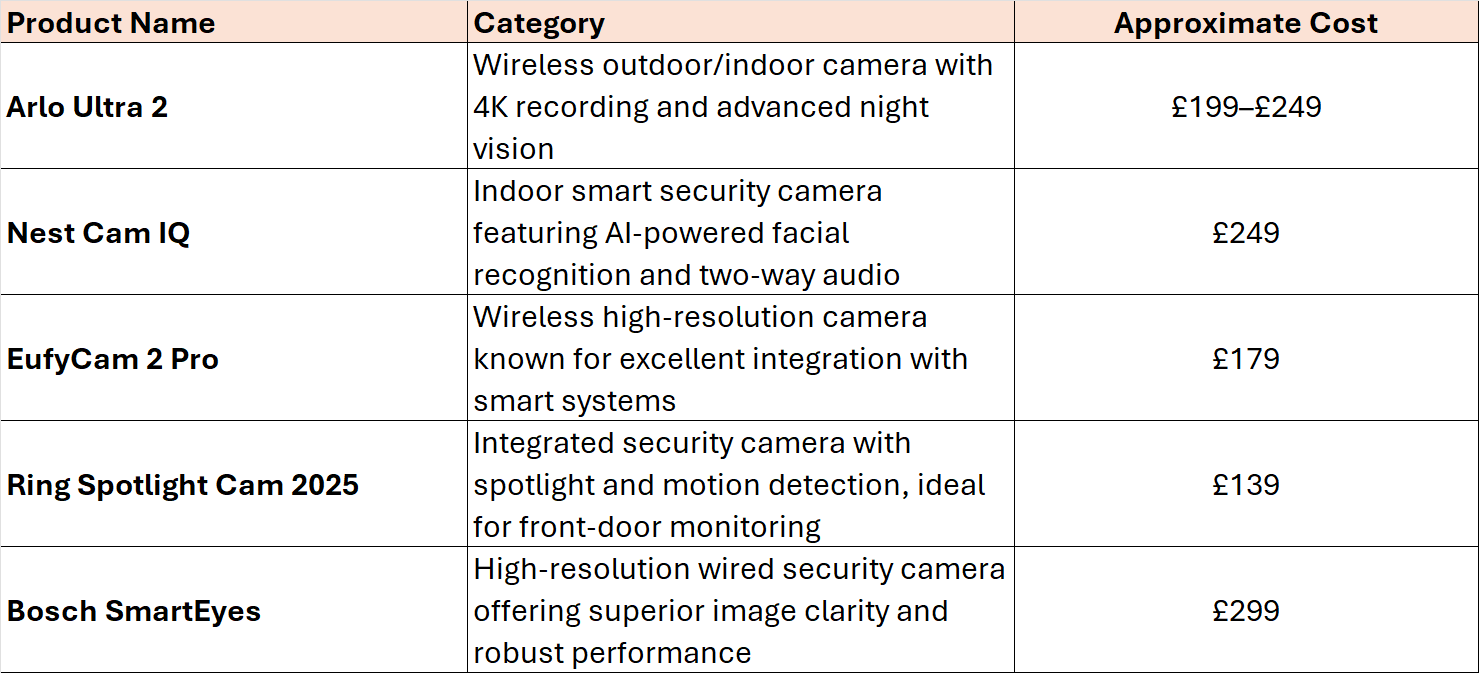
Consumers have gravitated toward these models for their cutting-edge features—such as cloud storage, motion tracking, and remote control via smartphones—and for the peace of mind they offer in protecting property 24/7. Reviews consistently highlight the balance these devices strike between performance, affordability, and ease of use.
Market trends indicate that the growing integration of smart home technology and security systems is influencing purchasing decisions. Products that offer seamless interoperability with other devices, such as voice assistants and home automation hubs, are particularly popular. Furthermore, the rise of AI and machine learning in security cameras, which allows for more intelligent threat detection and fewer false alarms, has made products like the Nest Cam IQ and Arlo Ultra 2 top choices among discerning UK consumers.
Retailers and online platforms are reporting a steady increase in the adoption of DIY security solutions such as the SimpliSafe UK Edition and Xiaomi Smart Motion Sensor, attributed to their ease of installation and customization options. Meanwhile, professionally installed and monitored systems—like those offered by ADT and Verisure—continue to be in high demand for larger properties or those seeking an extra layer of professional oversight.
5. Sources and References
The insights and data presented in this guide are based on extensive research and analysis from multiple reputable sources. Below is a list of the primary sources used to compile the article, along with their corresponding links:
- TechRadar – Best Home Security Systems: https://www.techradar.com/best/best-home-security-systems Provides an in-depth overview of modern security solutions and reviews of top products.
- Which? Home Security Reviews: https://www.which.co.uk/reviews/home-security Offers consumer insights, expert opinions, and comparative analyses of various home security systems.
- Verisure UK: https://www.verisure.co.uk The official website for Verisure’s smart security solutions including detailed product specifications and pricing.
- ADT UK: https://www.adt.co.uk Details product features, professional monitoring options, and installation guidelines for ADT security products.
- Bosch Security Systems: https://www.boschsecurity.com/xc/en/ Provides product details on both wired and wireless security equipment, with emphasis on reliability and integration.
- Honeywell UK – Security Solutions: https://www.security.honeywell.com Offers comprehensive information on Honeywell’s range of security devices designed for both professional and DIY markets.
- Ring – Product Information: https://www.ring.com Features detailed insights into Ring’s doorbell cameras and integrated security systems.
Conclusion
As 2025 unfolds, the evolution of security systems continues to empower property owners with more sophisticated, user-friendly, and integrated solutions than ever before. Whether you choose a conventional wired system renowned for its steadfast reliability or opt for the flexibility and innovation of wireless systems, the most important consideration is that your security setup meets your unique needs.
From the diverse range of alarms, sensors, and cameras available today—including build-to-integrate products designed to work with smart home ecosystems—to the critical factors in choosing the right equipment, it is now possible to tailor your security solution perfectly to your property. Every system brings with it considerations of cost, maintenance, integration, and privacy, and each technology—be it motion detection, high-resolution IP cameras, or intelligent glass break sensors—plays its part in a comprehensive defence strategy.
The wireless versus wired debate further illustrates that no solution is entirely one-sided; the advantages of flexibility and ease of installation in wireless systems are balanced by the staunch reliability and uninterrupted connectivity of wired alternatives. With hybrid solutions increasingly available, property owners can take advantage of the best aspects of both technologies.
In exploring some of the UK’s most popular products for 2025, we see that companies like Verisure, ADT, Bosch, Honeywell, and SimpliSafe are leading the charge in delivering robust, innovative, and user-friendly security solutions. Whether for residential applications or larger commercial installations, these products represent the state-of-the-art in property protection.
Ultimately, building and maintaining a security system is about staying ahead of emerging threats while ensuring that your daily life is not disrupted by complex or burdensome technology. A thoughtful, well-integrated approach will not only safeguard your property but also provide the peace of mind that comes from knowing you have invested in the very best that modern security technology has to offer.
As you evaluate your options, consider your property layout, future needs, and personal comfort with technology. In doing so, you will be well-positioned to choose a security solution that is as reliable as it is innovative—a system that will protect your property today and evolve with you in the years to come.
This guide is intended to provide comprehensive, research-backed insights to help you make an informed decision. We invite you to explore the sources provided for further reading and additional details on the rapidly evolving field of security technology. Happy securing!
Disclaimer: The prices and product details mentioned in this guide are based on market data available as of 2025 and may vary over time. Always consult the official manufacturer websites or authorized retailers for the most current information.