
Understanding Electrical Installation Condition Reports (EICRs)
Understanding Electrical Installation Condition Reports (EICRs)
Article Synopsis
Discover our guide to EICRs: Learn what they are, how to verify validity & test results, plus landlord obligations for electrical safety.

Electrical Installation Condition Reports, or EICRs, play a vital role in ensuring the safety of electrical installations in both residential and commercial properties. They provide a snapshot of the condition of your electrical system and offer recommendations for any necessary remedial work. In this article, we delve deep into what EICRs are, how to verify their validity and safety, the required frequency of these inspections, landlord obligations, and the typical costs involved in the UK.
What Are EICRs?
Electrical Installation Condition Reports (EICRs) are formal documents generated after a thorough inspection of an electrical installation. The purpose of an EICR is to assess the condition of the electrical installation and to identify any potential hazards or non-compliance with current regulations. Essentially, the EICR:
- Assesses Safety: It spot-checks installations for dangerous conditions including potential fire risks or electrical shocks.
- Identifies Defects: The report flags any wear and tear, outdated components, or installation faults that could lead to safety hazards.
- Outlines Remedial Actions: If any issues are found, the EICR will detail corrective measures to bring the installation up to standard.
- Ensures Regulatory Compliance: It confirms whether the installation complies with the current standards, such as BS 7671 (the UK wiring regulations).
For homeowners and landlords alike, the EICR is both a safety measure and a legal requirement in many cases. Over time, the condition of any electrical installation can deteriorate due to wear, environmental factors, or changes in technology. Regular assessments via EICRs help mitigate these risks.
How to Check if an EICR Is Proper and Valid
An EICR isn’t just a piece of paper—it’s a technical document that must meet certain standards and be carried out by a qualified electrician. Here are some key points to verify if an EICR is proper and valid:
- Accredited Inspector: Ensure the report has been issued by a registered and accredited electrician. In the UK, organisations such as NICEIC, ELECSA, or NAPIT accredit electrical professionals. Look for the inspector’s certification details in the report.
- Clear Identification Details: The report should contain comprehensive details including the property address, the date of inspection, and specifics of the electrical installation. It should also reference the style of wiring and any integrated systems.
- Test Procedures and Outcomes: A valid EICR will list all the tests performed—from insulation resistance tests to earth continuity tests. There should be detailed readings or outcomes that confirm the installation’s condition.
- Observations and Codes: The report should include a clear description of any observed defects. These are usually categorized with codes such as:
- C1 – Danger present; immediate remedial action required.
- C2 – Potentially dangerous; remedial action is recommended.
- C3 – Improvement recommended; does not indicate danger.
- Sign-Off Section: The report should be signed and dated by the qualified inspector, ensuring accountability. This sign-off establishes that the electrician stands behind the accuracy of the report.
- Reference to Standards: A valid report will mention the standards it’s adhering to, typically BS 7671, which is the benchmark for electrical installation safety in the UK.
By carefully reviewing the report with the above points in mind, you can evaluate if the document is both proper and valid. If any information is missing or seems unclear, it’s advisable to contact the inspector or commissioning body for clarification.
How to Check if an EICR Has Passed Testing
The ultimate goal of the EICR is to ensure that an electrical installation is safe to use. To check if an EICR has passed testing, you can look at the conclusions and recommendations provided in the report:
- Pass Certificate: Some EICRs may explicitly state that the installation “passes” or is “satisfactory.” This generally means that no dangerous conditions were found, and the installation complies with current safety standards.
- Observation Codes:
- No Code or “Pass” Status: If the majority of tests are marked as safe, with no codes indicating danger (i.e., no C1 or C2 issues), the installation is likely safe.
- Minor Observations (C3): Reports may include minor observations (coded as C3) that suggest improvements without immediate danger. Such installations may still be considered passable in the short term, although remedial work should be planned.
- Detailed Test Outcomes: Every test carried out—whether insulation resistance, RCD testing, or earth continuity—must yield results that are within safety tolerances. A valid EICR will show pass results for each test, or detail where and why a result is not passable.
- Follow-Up Actions: Sometimes, an EICR might not pass outright if there are safety concerns. The report will detail remedial actions and usually include a timeline for re-testing once fixes are implemented.
In essence, a passed EICR is one where the majority of findings indicate that the system is safe, any deficiencies are either minor or already scheduled to be remedied, and no immediate risks remain. If an EICR highlights any C1 (dangerous) or multiple C2 (potentially dangerous) issues, it indicates that the installation does not pass and should be addressed immediately.
Frequency and Landlord Obligations for EICRs
For anyone responsible for a property, particularly landlords, understanding the frequency of EICRs and related responsibilities is crucial:
- Frequency of Testing:
- General Rule: Electrical installations should be inspected and tested at least every five years.
- Older or High-Risk Installations: If the electrical installation is in an older property or has a known history of issues, more frequent testing (every 3 years, for example) may be advisable.
- After Significant Changes: Any major renovation, appliance installation, or switch in property use should trigger a new EICR.
- Landlord Obligations:
- Legal Requirement: Landlords are legally obliged to ensure that the properties they rent out are electrically safe. Non-compliance can result in hefty fines and increased liability in the event of an electrical accident.
- Document Retention: Store EICRs and any subsequent remedial work records. In the event of inspections by local authorities or legal disputes, these documents serve as proof of due diligence.
- Acting on Recommendations: If your EICR includes any remedial information or improvement recommendations, it is the landlord’s responsibility to ensure those issues are addressed promptly. Failure to act can have both legal and safety repercussions.
- Communication with Tenants: Inform tenants about the outcome of the EICR and any planned remedial works. Clear communication can prevent misunderstandings and demonstrates a commitment to their safety.
Landlords should view regular EICRs not as a cumbersome obligation, but as a proactive measure to safeguard using electrical installations, thereby protecting both tenants and property integrity.
Typical Costs of EICRs in the UK
The cost of an EICR can vary significantly based on factors like property type, location, and the complexity of the electrical installation. However, here are some rough guidelines:
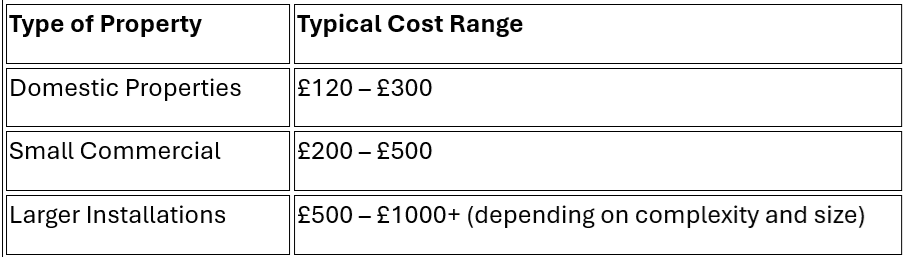
- Domestic Properties: For a standard one- or two-bedroom home, the cost generally falls toward the lower end of the scale.
- Commercial Properties: More extensive properties or those with more complex electrical systems will naturally incur higher costs due to the increased testing and time required.
These figures are averages and can be affected by regional pricing differences, the specific qualifications of the electrician, and any additional requirements identified during the report. While the upfront cost might seem challenging, recall that investing in electrical safety is crucial for preventing hazards that could lead to injury, property damage, or expensive emergency repairs later on. For a free no-obligation quote, simply contact any one of the insured electricians (Electricians near you) registered with us.
Conclusion
Electrical Installation Condition Reports are a cornerstone of electrical safety in modern buildings. They not only help ensure that electrical installations meet current safety criteria but also protect property owners, landlords, and tenants by identifying potential hazards before they escalate into serious risks. By verifying that an EICR is carried out by an accredited professional, checking its detailed outcomes and observation codes, understanding landlord duties, and knowing the cost implications, you can maintain peace of mind regarding your property’s electrical system.
Regular inspections, timely remedial actions, and proper record keeping are more than just legal formalities—they are essential steps in fostering a safe, efficient, and compliant electrical environment.
Sources and References
While this article is based on a comprehensive understanding of electrical safety standards and typical practices within the UK, here are some reputable sources for further reading and verification:
- UK Government – Electrical Safety in the Private Rented Sector
- Electrical Safety First
- NICEIC – Electrical testing and inspection
These resources offer additional insights and the most up-to-date guidelines regarding EICRs and other aspects of electrical safety.
Electrical safety is not merely a regulatory obligation—it is an investment in the longevity of your property and the wellbeing of its occupants. Whether you are a homeowner or a landlord, ensuring that your electrical installations are safe and compliant protects you and adds value to your property in the long run.
Would you like to explore more detailed case studies on EICR failures or perhaps strategies for effective remedial actions post-inspection? There's a wealth of information available to guide you further on this critical subject.