
Are you considering having a driveway?
Are you considering having a driveway?
Article Synopsis
Find out about different styles of driveways that builders on our platform can construct, and important considerations, before starting your project.

A driveway is far more than a patch of tarmac or concrete—it’s an extension of your property’s character, a functional space shielded from the elements, and, in today’s tech-forward era, even a potential portal for smart energy solutions. For many UK homeowners, choosing the right type, lighting, and features can feel overwhelming. The decisions you make not only affect curb appeal but also influence long-term maintenance, vehicle care, and even environmental sustainability.
In this guide, we dive into seven key topics:
-
The different types of driveways (with ideas for pictures to inspire your design);
-
The range of lighting options available, including solar and fixed solutions;
-
Whether a sheltered driveway (such as one incorporating a carport) is preferable over an open design;
-
The realities behind using your driveway to charge an electric car;
-
When to install an electric car charger;
-
The costs involved in building driveways in the UK; and
-
The planning permission requirements particular to the UK.
By the end of this article, you’ll have a clearer picture of the numerous options, costs, and practical decisions you need to consider as you plan your driveway project.
1. The Different Types of Driveways (Including Picture Suggestions)
The foundation of any driveway project is the material you choose. In the UK, several options exist—each with unique aesthetics, longevity, and maintenance profiles. Here are the most popular types:
Concrete Driveways
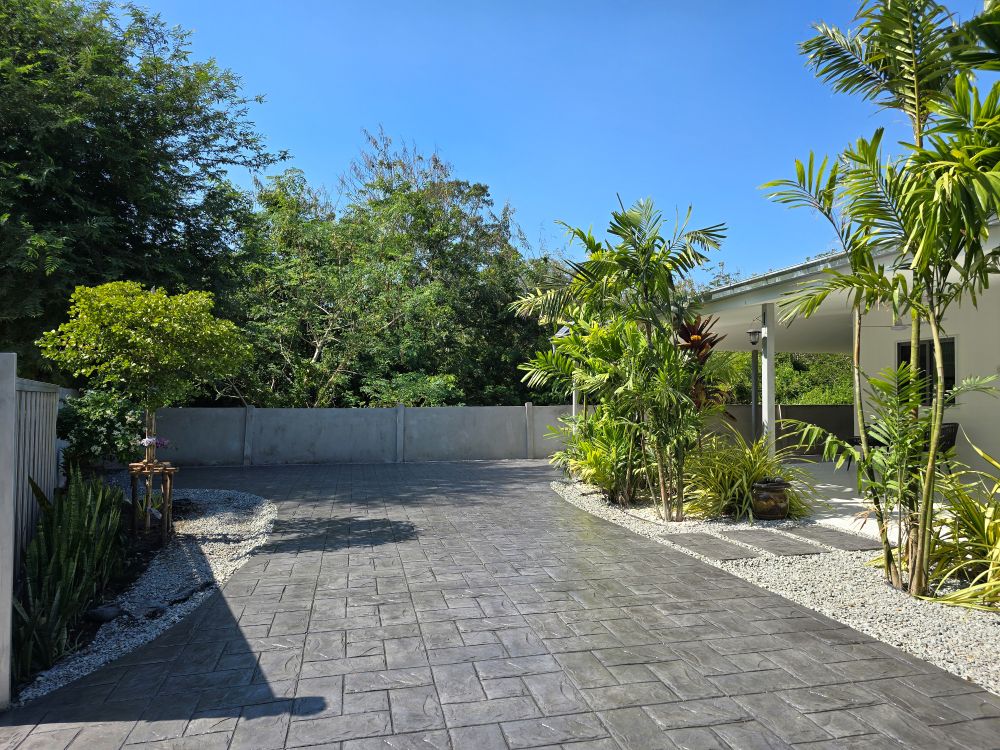
Concrete driveways are known for their versatility and longevity. With modern treatments and decorative techniques, concrete can be:
-
Stamped or Stained: Imprinting designs that mimic brick or stone.
-
Polished: For a sleek, contemporary finish.
-
Textured or Plain: Depending on whether you value a subtle finish or a distinct look.
Pros:
-
Highly durable with a low long-term maintenance profile.
-
Offers numerous customization options through color and texture.
Cons:
-
Susceptible to cracking if not installed or maintained properly in varying climates.
-
Repairs—for resurfacing or fixing cracks—may be costly.
Asphalt (Tarmac) Driveways
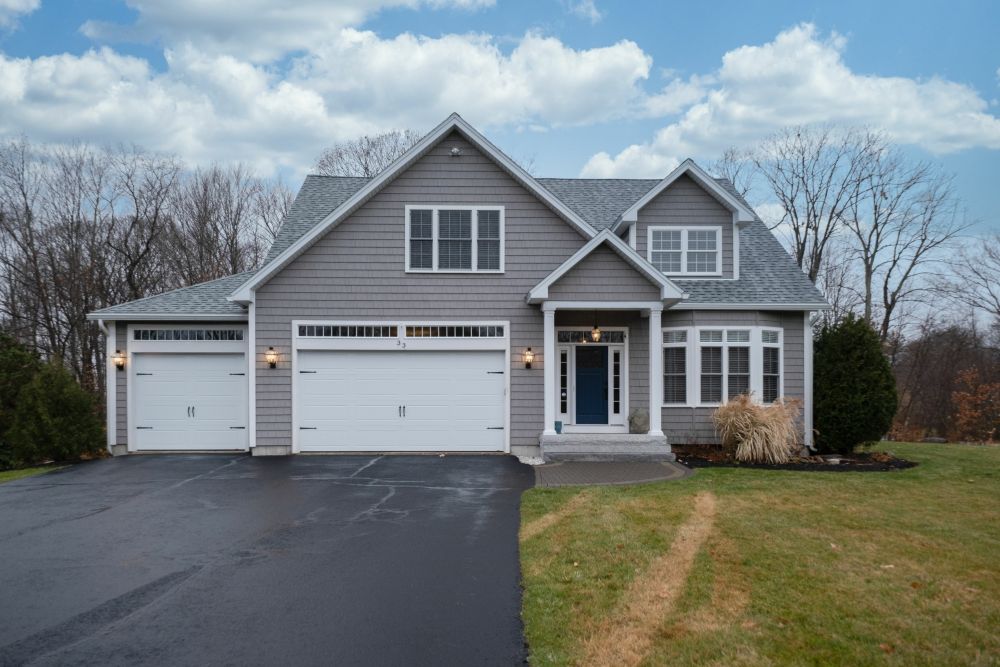
A popular choice in the UK is asphalt, sometimes referred to as tarmac. This option provides a smooth, dark finish that often complements modern homes.
Pros:
-
Generally less expensive than concrete.
-
Ideal for areas with colder climates and freeze/thaw cycles.
Cons:
-
Requires occasional resurfacing and treatment to maintain its appearance and functionality.
-
In very high temperatures, it might soften slightly.
Gravel Driveways
Gravel driveways evoke a rustic, natural look with excellent drainage properties—making them particularly suited to the British weather patterns where water dissipation is key.

Pros:
-
One of the most cost-effective options.
-
Excellent for water drainage, reducing puddling.
Cons:
-
Tends to shift over time, meaning occasional maintenance and topping up may be required.
-
Weed growth could be an issue without proper weed control measures.
Paver Driveways (Including Block Paving and Brick Driveways)
Paver or block paving driveways are a favourite among UK homeowners thanks to their timeless charm. Made from brick, concrete, or natural stone, these driveways allow for creative layout patterns and varied colours.

Pros:
-
Enhances curb appeal and can significantly boost property value.
-
Individual pavers are replaceable if damaged.
Cons:
-
Typically carries a higher initial installation cost compared to asphalt or plain concrete.
-
Requires a well-prepared base to ensure long-term durability.
Resin-Bound Driveways
A relatively modern alternative, resin-bound driveways offer a seamless, smooth surface that is both decorative and highly durable. This option is rapidly growing in popularity for contemporary UK properties.

Pros:
-
Low maintenance with excellent drainage properties due to its permeable nature.
-
Customisable in terms of tint and aggregate colours.
Cons:
-
Generally a premium option with higher installation costs.
-
Professional installation is almost always required.
Visual Comparison: Driveway Materials
Below is a table summarising the features of each type:
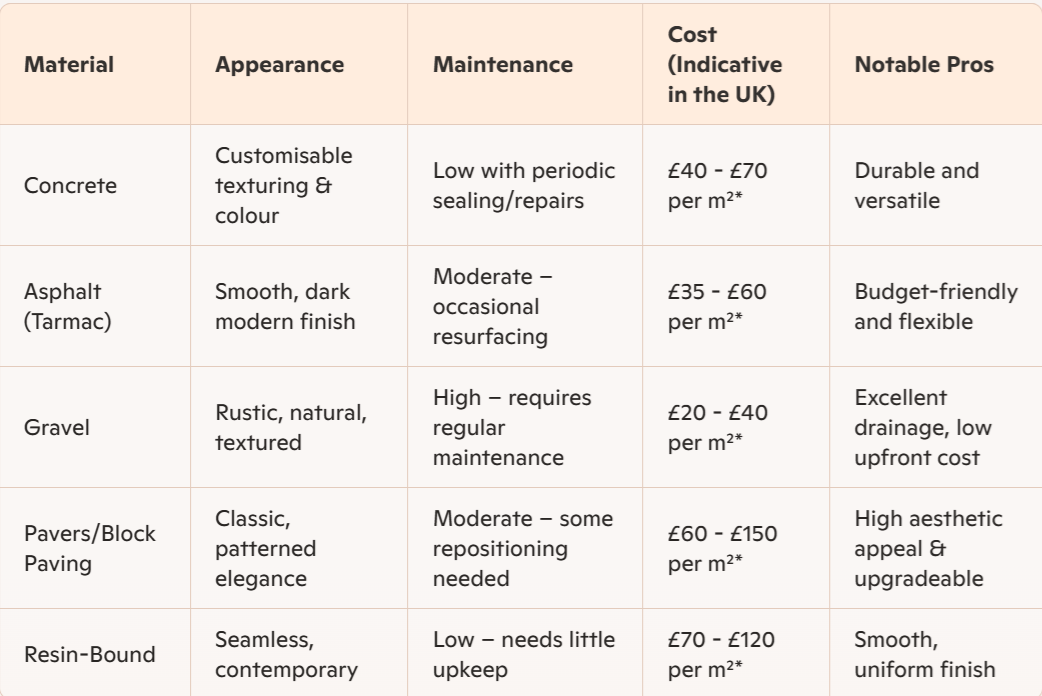
\* Prices are approximate and can vary regionally and by project specifics. To obtain free no-obligation quotes, use our service: https://www.fixmybuild.com/new-project
2. Lighting Options for Your Driveway
Lighting doesn’t just serve a practical role—it’s also a crucial element in enhancing security and overall aesthetic. In the landscape of modern driveways, lighting options include:
Solar Lights
Solar lights are a popular choice thanks to their eco-friendly design and ease of installation.
-
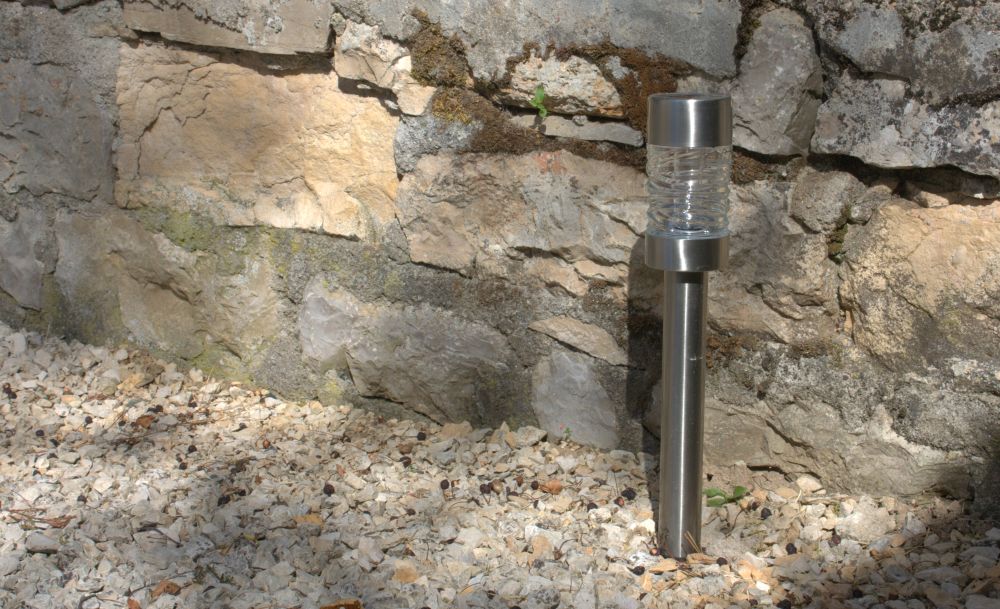
How They Work: These lights harness energy from the sun during the day and automatically illuminate your driveway at night.
-
Design Integration: Available in designs such as bollard-style, in-ground, or uplighting, these lights can frame your driveway beautifully.
Pros:
-
Energy-efficient and reduce electricity bills.
-
Installed quickly without the need for extensive wiring.
Cons:
-
Depend on sufficient sunlight, which may limit performance in overcast weather.
-
Battery longevity can be an issue over many years.
Wired or Fixed Lighting
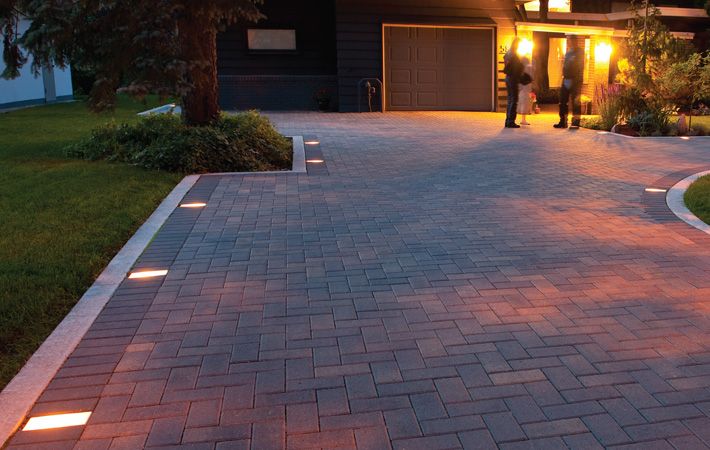
These options involve installing lights that are either flush with the surface or integrated into the sides of the driveway.
-
Types: Recessed LED lights, strip lights, or decorative lanterns.
-
Benefits: Provide a consistent and powerful beam of light, great for both security and aesthetics.
Pros:
-
Consistent performance regardless of weather.
-
Options for smart controls or motion activation for added security.
Cons:
-
Requires professional installation and planning for wiring.
-
Higher initial costs compared to solar solutions.
Hybrid Lighting Solutions
A combination of solar and fixed lighting can offer layered illumination—highlighting landscaping features while ensuring essential paths remain lit.
Pros:
-
Best of both worlds in efficiency and consistency.
-
Ability to tailor light intensity according to need.
Cons:
-
Slightly more complex installation process as two systems need to be integrated.
Lighting is not just functional; it sets the tone for your property and enhances the visual appeal, so carefully consider how each option meshes with your overall design.
3. Sheltered vs. Open Driveways: Carports and Covered Structures
A key decision is whether to opt for a fully open driveway or incorporate some form of shelter such as a carport or canopy.
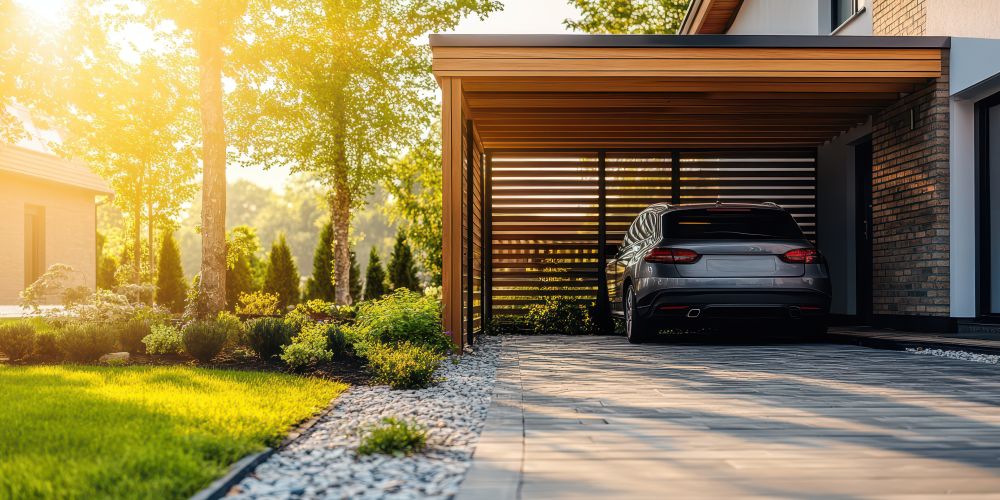
Sheltered Driveways (Carports and Canopies)
Benefits:
-
Weather Protection: Sheltered driveways help protect your vehicle from rain, hail, and harmful UV rays, reducing wear and tear.
-
Added Security: With extra coverage comes a diminished likelihood of vandalism or theft, as vehicles are less exposed to passers-by.
-
Improved Appearance: Modern carports can be designed to complement your home’s exterior, often enhancing property value.
Drawbacks:
-
Higher Costs: Installing a carport or canopy generally increases the initial expense compared to an open driveway.
-
Space Constraints: Not all properties have sufficient space to accommodate both a sheltered area and a driveway without compromising other external features.
-
Planning and Permitting: In many cases, adding a permanent structure will require adherence to local building regulations and possibly planning permission.
Open Driveways
Benefits:
-
Cost-Effectiveness: With fewer materials and a simpler design, open driveways usually cost less to construct.
-
Design Flexibility: They offer broader scope in landscaping and garden design, making it easier to integrate lawns and other outdoor features.
-
Ease of Construction: Without the need for extra support structures, open driveways are typically quicker and less expensive to install.
Drawbacks:
-
Exposure to Weather: Vehicles are left fully exposed to the elements which might lead to quicker deterioration of the surface or accumulation of grime.
-
Limited Security: Without any overhead protection, you may need to invest more in security lighting or surveillance.
Deciding Factors:
-
Climate: For areas experiencing frequent rainfall or harsh weather, a sheltered option might provide the necessary protection.
-
Budget: If cost is a primary concern, an open driveway provides a straightforward, practical solution.
-
Aesthetic and Functional Use: Consider how your driveway integrates with the overall design of your property. For example, in urban settings, a sleek open driveway might better complement minimalist architecture, while rural settings might favour the practicality of a carport.
4. Can Driveways Charge Your Electric Car While It’s Parked?
The idea of a driveway transforming into a charging hub for your electric vehicle has piqued interest among tech-savvy homeowners. However, the reality is a bit more nuanced.
Current State of the Technology
-
Traditional Driveways: Standard driveways—whether concrete, asphalt, or gravel—do not contain built-in electrical systems to charge an EV. They are inert surfaces designed primarily for access and parking.
-
Dedicated EV Charging Installations: Instead, electric car charging solutions are installed as separate units. These include wall-mounted chargers, free-standing pedestal chargers, or even, in some experimental cases, induction charging pads embedded into the driveway surface.
-
Wireless Charging: Though wireless EV charging (using induction technology) is emerging, it remains largely in the prototype or limited rollout phase and is not yet a mainstream solution in residential installations.
Bottom Line: Your driveway can’t charge an electric car on its own. That said, by integrating your driveway design with a nearby EV charging point, you can create a seamless energy solution for modern motoring.
5. When Should You Install an Electric Car Charger?
If you’re planning to add an electric car charger to your property, coordinating its installation with your driveway construction can save time, money, and headaches.
Installing the Charger During Driveway Construction
Advantages:
-
Concealed Wiring: Running cables and setting up conduits during the initial construction is simpler. Retrofitting later could mean disruptive excavation or surface damage.
-
Integrated Design: Planning ahead means you can optimise the location of your charger—ideally close to the entrance or within a sheltered area—without awkward cables trailing along the driveway.
-
Cost-Efficiency: Combining construction efforts minimizes both labour and material costs compared to retrofitting an electric charger into an existing driveway.
Installing the Charger After the Driveway Is Complete
Potential Drawbacks:
-
Retrofit Challenges: If you decide later to add an EV charger, altering an established surface might require cutting into the driveway, which can lead to extra costs and mess.
-
Mismatch of Aesthetics: Post-installation adjustments might leave visible cable runs or modifications that detract from your carefully thought-out design.
Recommendation: For most UK homeowners eyeing an integrated EV solution, planning for the charger during the initial design and construction phase is the most efficient and least disruptive approach. This ensures a discrete, safe, and cost-effective installation.
6. How Much Do Driveways Cost to Build in the UK?
Costs vary significantly based on the materials, design, site preparation, and additional features. Here’s an overview of typical cost ranges in the UK:
Cost Factors to Consider
-
Material Choice:
-
Asphalt (Tarmac): Approximately £35–£60 per square metre.
-
Concrete: Often runs between £40–£70 per square metre, with decorative options costing more.
-
Gravel: One of the most budget-friendly options, generally costing around £20–£40 per square metre, though maintenance may add to lifetime costs.
-
Block Paving/Pavers: Ranges from approximately £60–£150 per square metre, depending on the complexity of the design and materials used.
-
Resin-Bound: This premium finish typically costs between £70–£120 per square metre.
-
-
Site Preparation: The condition of the soil, required drainage work, and sub-base preparation can all affect overall costs. Areas that require more extensive excavation or leveling may incur extra expenses.
-
Additional Features:
-
Lighting Systems: Integrated or separate lighting solutions add to installation costs.
-
Electrical Conduits for EV Chargers: Including these during driveway construction helps avoid later costly retrofits.
-
Sheltered Structures (Carports): Adding a roof or carport significantly increases material and labour costs.
-
-
Local Labour and Permitting Fees: Costs can further vary by region and the specific contractor’s pricing. Obtaining multiple quotes will give a clear idea of the budget required for your project.
Example UK Cost Breakdown (per square metre)
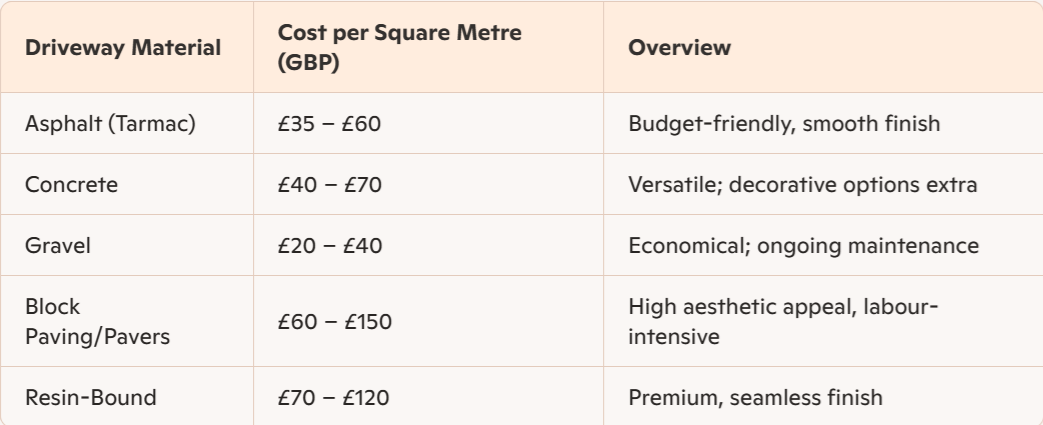
Note: These costs are indicative. Actual prices can vary based on location, specific design choices, and contractor rates. To obtain free no-obligation quotes, use our service: https://www.fixmybuild.com/new-project
7. Is Planning Permission Required in the UK?
When it comes to building a new driveway or adding features like a carport in the UK, understanding local planning regulations is crucial.
General Guidelines
-
Standard Driveway Installations: Most driveways (gravel, asphalt, concrete, or even block paving) built on your property do not require planning permission. However, they must meet local building codes and environmental guidelines regarding drainage and permeability.
-
Sheltered Structures (Carports/Canopies): Adding a carport or a permanent shelter may fall under permitted development rules. In conservation areas or on listed buildings, extra restrictions might apply, meaning you could need planning permission.
-
Drainage and Environmental Impact: If your new driveway significantly alters water runoff or affects neighbouring properties, you might be subject to additional local regulations.
-
Advice: Always consult your local planning authority or visit thePlanning Portal for definitive guidance concerning your specific situation. If your home is in an area managed by a residents’ association or if there are local conservation rules, further scrutiny is advised.
Key Considerations for UK Homeowners
-
Driveways Alone: In most instances, a standard driveway installation is considered permitted development.
-
Additional Structures: If you plan to add integrated lighting systems, electrical conduits for EV charging, or a carport, check local guidelines first to ensure all installations meet regulations.
-
Seek Professional Advice: Consulting both your contractor and the local council can prevent future legal or compliance issues.
Conclusion
From choosing your driveway material to integrating modern features like lighting and EV charging, each decision plays a significant role in how your external space will perform, look, and add value to your property. Here’s a quick recap of the key insights:
-
Types of Driveways: Options include concrete, asphalt, gravel, block paving, and resin-bound surfaces. Each comes with its design, cost, and maintenance profile.
-
Lighting Options: Solar, wired, or hybrid lighting systems can enhance your driveway’s function and aesthetics, ensuring safety while accentuating design features.
-
Sheltered vs. Open Designs: A carport or canopy can protect your vehicle and elevate property value but comes with extra costs and potential planning hurdles. Open driveways are budget-friendly and versatile.
-
Electric Car Charging: While driveways do not naturally charge electric cars, dedicated EV charging points—either plug-in or emerging wireless systems—ensure your vehicle is powered up.
-
EV Charger Installation Timing: For maximum convenience and cost-effectiveness, integrate your charger’s wiring during the driveway’s initial construction rather than retrofitting later.
-
UK Costs: Costs vary widely depending on the chosen materials, with asphalt starting around £35–£60/m², through concrete and block paving, to premium resin-bound options. Factor in site preparation, additional features, and local labour costs.
-
Planning Permission in the UK: In general, a driveway installation does not require planning permission unless additional structures, significant drainage changes, or locations with restrictive guidelines (e.g. conservation areas) are involved. Always consult Planning Portal or your local authority for definitive advice.
Building or renovating your driveway is much more than a cosmetic project—it’s a thoughtful solution that balances design, practicality, and future-proof technology. With careful planning and the right professional advice, you can create an attractive, durable, and functional entrance to your home that truly reflects your style and meets your everyday needs.
Additional Thoughts and Next Steps
As you continue to research and refine your concepts, consider the following:
-
Sustainability: Explore environmentally friendly materials such as permeable pavers that help manage water runoff and reduce urban flooding.
-
Smart Home Integration: With advances in IoT, think about adding automated lighting, motion-activated security features, or even future-proof charging pads that could one day offer wireless solutions.
-
DIY vs. Professional Installation: Evaluate your personal expertise and the complexity of your design. While some driveways lend themselves to DIY projects, many in the UK are best handled by professionals who ensure adherence to local regulations and quality standards.
Taking the time to plan thoroughly now can help ensure that your driveway stands the test of time, both in function and style, while enhancing the overall value of your property.
Sources and Further Reading
Here are some of the resources used in writing this guide. For further detailed reading and verification, check out:
-
Planning Portal (UK): https://www.planningportal.co.uk Your first stop for understanding planning permission guidelines in the UK.
-
Which? – Home Improvement Advice: https://www.which.co.uk/reviews/home-improvement Guidance on various home improvement projects including driveways in the UK.
By understanding these various facets—from materials and lighting to cost and permits—you'll be well equipped to make informed decisions tailored to your lifestyle and property. The driveway you design today can add significant value and practicality for years to come, creating a welcoming, secure, and modern entrance to your home.