
Harvesting Energy from the Sun: Is a Solar Energy System worth it?
Harvesting Energy from the Sun: Is a Solar Energy System worth it?
Article Synopsis
Discover how UK solar energy works: Learn about solar panels, inverters, battery benefits, costs, lifespans, and savings to decide if it's worth the investment.

In today’s drive toward sustainability and energy independence, solar energy has become one of the top renewable options for homeowners and businesses alike. However, deciding whether to install a solar energy system is a multifaceted question—one that hinges on technical details, upfront costs, long-term savings, and even the nuances of your property’s orientation. In this article, we’ll walk through everything you need to consider when evaluating a solar energy installation, including:
- The different components of a solar energy system—what they are, what they do, and how they work.
- The benefits of installing a solar battery versus a grid-tied system without storage.
- The total initial cost of installing a solar system in the UK, with a breakdown of individual components.
- The average lifespan, warranty periods, and maintenance costs for each component.
- Why the direction of sunlight matters, and how much money you might save on energy bills—with and without battery storage.
Let’s dive into the details so you can decide whether harnessing the power of the sun is the right move for your needs.
1. The Anatomy of a Solar Energy System
Before you make any decisions, it’s essential to understand the core pieces that make up a solar power installation. Each component plays a critical role in transforming sunlight into usable electricity.
Solar Panels (Photovoltaic Modules)
What They Do: Solar panels are the visible “face” of your solar system. They are made up of photovoltaic (PV) cells that directly convert sunlight into direct current (DC) electricity.
How They Work:
- Photovoltaic Effect: When sunlight hits the semiconductor material (usually silicon) in the panel, it knocks electrons into a higher state of energy, creating a flow of electric current.
- Panel Types:
- Monocrystalline: Known for high efficiency and sleek appearance, these panels perform slightly better in limited spaces.
- Polycrystalline: Typically less expensive, though with a modestly lower efficiency.
- Installation Considerations: Panels are mounted on the roof (or on a ground mount) at a specific tilt and orientation to maximize exposure to sunlight.
Inverters
What They Do: An inverter converts the DC electricity generated by your solar panels into alternating current (AC), which is the form used within your home for appliances and lighting.
How They Work:
- Types:
- String Inverters: These convert power from multiple panels as a single unit; if one panel underperforms, it could affect the output of the entire string.
- Micro-inverters: Attached to each panel individually, they maximize the yield by mitigating the impact of shading or differences between panels.
- Operation: The inverter continuously monitors the panels, ensuring that the electricity fed into your home (or exported to the grid) meets quality and frequency standards.
Batteries (Optional Energy Storage)
What They Do: A solar battery is designed to store excess power produced during peak sunlight hours, making it available when generation is low (e.g., during cloudy periods or at night).
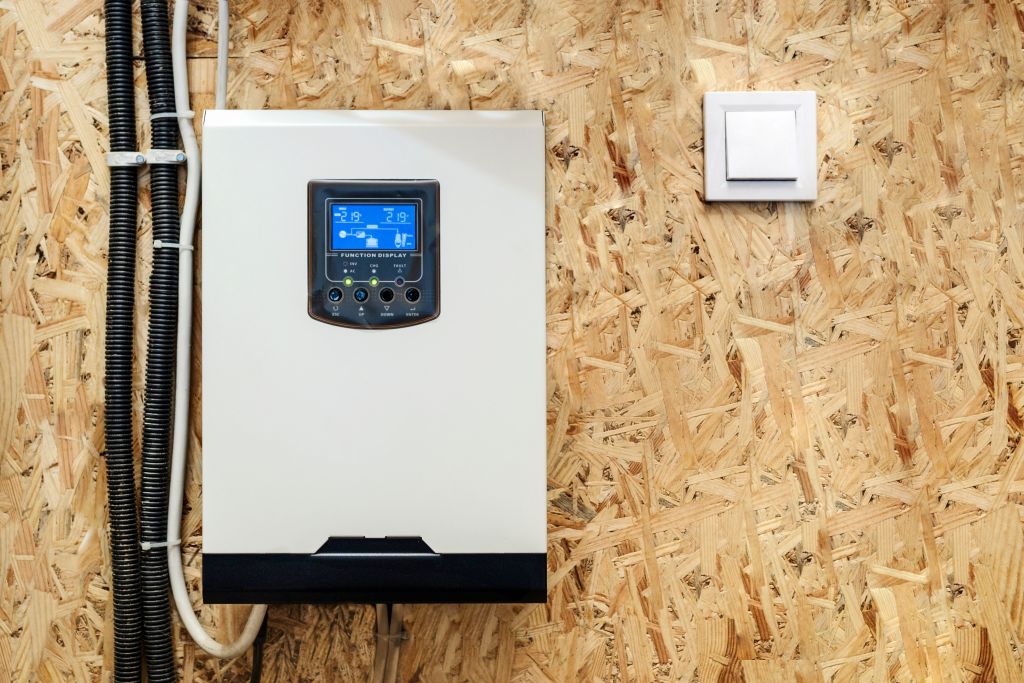
How They Work:
- Energy Storage: When your solar panels produce more electricity than you need, the battery stores the surplus.
- Discharge Cycle: Later, during periods of high demand or low sunlight, the battery discharges electricity to power your home.
- Types: Modern systems typically use lithium-ion batteries, prized for their energy density and long cycle life.
Charge Controllers and Energy Monitoring Systems
What They Do:
- Charge Controllers: In systems with batteries, these devices manage the flow of electricity into and out of the battery, preventing overcharging and prolonging battery life.
- Energy Monitoring Systems: These provide real-time data on energy production and consumption, helping you optimize performance and understand your savings.
Mounting Systems, Wiring, and Accessories
What They Do:
- Mounting Systems: Secure the panels on your roof or on the ground at the optimal angle for sunlight exposure.
- Wiring and Connectors: Ensure safe electrical connections between panels, inverters, batteries, and your home’s electrical system.
- Accessories: Include safety disconnects, surge protectors, and sometimes integrated monitoring sensors that contribute to the overall safety and performance of the installation.
Understanding these components—and how they interact—is key to appreciating the potential benefits and limitations of a solar energy system.
2. Solar Battery vs. Grid-Tied System Without Battery
One hotly debated topic in the solar community is whether to include a battery in your setup. Let’s compare the two setups and evaluate the real advantages of on-site energy storage.
Solar System Without a Battery (Grid-Tied)
How It Works:
- Direct Consumption: In a grid-tied system, your solar panels feed electricity directly into your home or any surplus is exported to the grid.
- Net Metering: Depending on your energy provider and local policy, you may receive credits for exported electricity. However, these credits are often lower than the cost savings you get from direct consumption.
Advantages:
- Lower Initial Cost: Without the cost of batteries, your upfront investment is significantly reduced.
- Simpler Installation: Fewer components mean less complexity during installation and, potentially, lower maintenance.
- Proven Technology: Grid-tied systems have been around for decades, with a well-established track record of performance.
Disadvantages:
- Reliance on the Grid: During power outages, a grid-tied system (without battery backup) automatically disconnects for safety reasons, leaving you without power.
- Lower Self-Consumption: When surplus power is exported to the grid at less favorable rates, you might miss out on maximizing your savings.
Solar System With a Battery
How It Works:
- Energy Storage: Excess electricity generated by your panels is stored in the battery, which you can then use when solar production is low.
- Increased Self-Consumption: With storage, you can maximize the use of the clean energy you generate, lowering your reliance on grid electricity during high-cost periods.
Advantages:
- Energy Independence: Having a battery means you’re not wholly dependent on grid power. This can be especially valuable in regions with unreliable grids or frequent outages.
- Better Financial Returns in Some Cases: By storing energy for use during peak periods when electricity is expensive, you could improve your overall savings.
- Environmental Resilience: With storage, your property becomes more resilient to grid failures, and you can even support critical devices during blackouts.
Disadvantages:
- Higher Upfront Cost: Batteries are one of the most significant additional expenses in a solar installation.
- Lifespan and Replacement: Batteries generally have a shorter lifespan than solar panels; you might expect to replace a battery after 8–15 years, depending on usage.
- Maintenance and Efficiency: Although maintenance costs are generally low, batteries require careful management to ensure longevity and optimal performance.
When deciding between the two, consider your primary energy goals. Are you looking for a cost-efficient way to reduce your electricity bill, or do you also need backup power and greater energy independence? The answer will guide whether a battery is a sensible addition to your solar setup.
3. The Cost of Installing a Solar Energy System in the UK
Cost is often the first and most critical consideration. Let’s break down the overall cost and the individual expenses you’ll typically encounter when installing a solar energy system in the UK.
Overall Installation Cost
A typical grid-tied domestic installation (around 4 kW) in the UK might cost between £6,000 and £8,000. This price range covers everything from panels to installation labor, but if you decide to add battery storage, you could face an extra outlay that may bring the total to around £10,000 to £15,000—depending on the battery’s capacity and technology.
Component Cost Breakdown
Below is an estimated cost table for a standard domestic system:
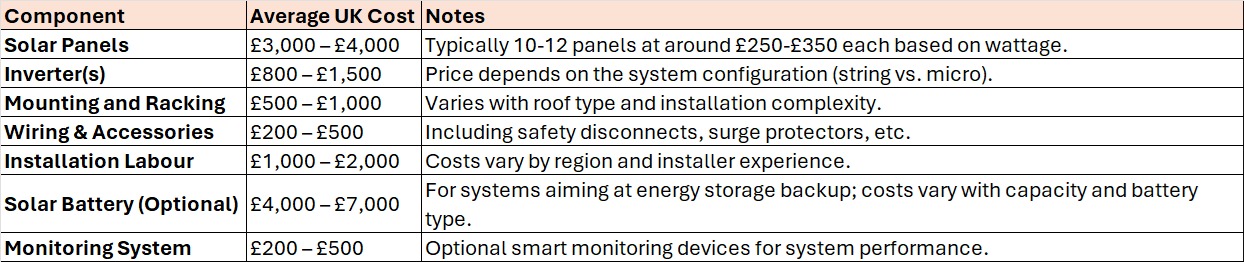
> Note: > Prices can fluctuate based on technological improvements, government incentives, local tariffs, and market demand.
It is always best to obtain a few free accurate quotes from the verified and fully insured professionals on our platform (Obtain free quotes).
While the initial investment may seem steep, remember that solar panels and associated technology typically generate savings over a 20–30-year lifespan. This long-term perspective is critical when weighing upfront costs against future benefits.
4. Lifespan, Warranties, and Maintenance
A smart investment in solar energy relies on understanding not only the upfront expenditure but also the longevity of the system’s components and ongoing maintenance needs.
Solar Panels
Lifespan & Warranty:
- Typical Lifespan: 25 to 30 years, with many panels continuing to produce electricity after this period – albeit at a reduced efficiency.
- Warranty: Most manufacturers offer a performance warranty of up to 25 years, guaranteeing that panels will produce a certain percentage of their rated output over time (usually around 80% by the end of 25 years).
Maintenance:
- Costs: Minimal. Routine cleaning and occasional inspections are usually all that is required—most homeowners find that panels need no mechanical upkeep.
- Considerations: Panels should be kept clear of debris, dust, or shading objects (like overhanging branches) to ensure optimal performance.
Inverters
Lifespan & Warranty:
- Typical Lifespan: 10 to 15 years.
- Warranty: Generally, inverters come with warranties ranging from 5 to 10 years, though this can vary by manufacturer and specific product model.
- Replacement Needs: Given their shorter lifespan relative to solar panels, you may need to budget for an inverter replacement one or two times over the system’s lifetime.
Maintenance:
- Costs: Low-to-moderate monitoring is advisable to prevent any issues from affecting your system’s overall efficiency.
- Regular Checks: Inverters have built-in monitoring systems that can signal if performance is declining.
Batteries
Lifespan & Warranty:
- Typical Lifespan: 8 to 15 years, highly dependent on usage cycles and depth-of-discharge.
- Warranty: Most lithium-ion batteries come with warranties ranging from 5 to 10 years, with performance guarantees that are often measured in cycle counts.
- Replacement Costs: Battery replacement is a significant consideration. Although operating costs are low, the replacement expense will factor into the long-term economics if you choose a storage system.
Maintenance:
- Costs: Batteries require minimal maintenance, though performance can be enhanced by careful management of charge cycles and regular system monitoring.
- Safety Measures: Good quality installation and usage of charge controllers can prevent premature degradation.
Mounting Systems and Other Accessories
Lifespan:
- The physical mounting hardware is typically designed to last as long as the panels themselves, assuming proper installation and exposure to the elements.
Maintenance:
- Inspections: Occasional checks to ensure the mounting remains secure, especially after severe weather events, are advisable but generally low in cost.
In essence, while panels will likely outlast other components, the shorter lifespan of inverters and batteries means that part of your investment might need to be refreshed over time. However, overall maintenance costs remain relatively low compared to the savings on your electricity bills and the environmental benefits of using clean energy.
5. The Importance of Sunlight Direction and Yearly Savings
Even the best solar system will underperform if it isn’t installed in an optimal location on your property. Two key factors affect performance: the orientation of the panels relative to the sun and how much of the generated electricity you can actually use.
Why Direction Matters
Orientation:
- In the Northern Hemisphere (including the UK), south-facing roofs typically capture the most sunlight throughout the day.
- The closer your panels are to an ideal south-facing orientation, the higher the potential energy yield.
Angle and Tilt:
- Optimal Tilt: For most UK installations, a tilt of around 30° offers the best compromise between summer and winter solar angles.
- Impact on Yield: Panels that are significantly off the ideal angle may produce 10–20% less energy than optimally installed systems.
Shading Considerations:
- Even partial shading from trees, roofs, or nearby structures can dramatically reduce efficiency.
- Regular assessments and proper trimming or repositioning of panels can help maintain optimal performance.
Estimating Annual Savings
The energy you save directly translates into reduced electricity bills. Let’s consider two scenarios: one with a battery and one without.
Without a Battery (Grid-Tied)
In a typical grid-tied setup, your panels feed electricity directly into your home, and any surplus is exported to the grid at somewhat lower tariffs.
- Production Estimates: A well-oriented, typical 4 kW system in the UK might produce about 3,400 kWh per year.
- Self-Consumption and Exports: Without a battery, you might self-consume roughly 40–50% of that, with the remainder sold to the grid or lost if not compensated fully by feed-in tariffs or net metering arrangements.
- Savings Calculation: If your average electricity cost is around £0.18 per kWh, self-consuming 50% (approximately 1,700 kWh) translates into savings of:
1,700 kWh × £0.18/kWh ≈ £306 per year
Additionally, any export income might add another modest £50–£100 to your annual returns, depending on the scheme in place.
With a Battery
Adding a battery can increase your self-consumption rate by storing excess power for later use, especially during times when you otherwise would draw from the grid.
- Improved Self-Consumption: With battery storage, you might boost self-consumption from around 50% to as much as 60–70%, meaning you use more of your solar production at times when the panels aren’t generating electricity.
- Enhanced Savings: Suppose your increased self-consumption translates into being able to use an extra 10% of your production—approximately 340 kWh more per year. At £0.18 per kWh, that's an extra:
340 kWh × £0.18/kWh ≈ £61 per year
- Additional Benefits: More than just savings on bills, having a battery means backup power during outages. This non-monetary benefit—especially if you rely on critical appliances—can be a strong incentive even if the annual monetary gain isn’t dramatically higher.
A Comparative Overview:

Keep in mind that these numbers are estimates based on typical installations in the UK. Actual savings will depend on variables such as system size, roof orientation, shading, energy consumption patterns, and future changes in electricity prices.
Concluding Thoughts: Is Solar Energy Worth It?
Deciding whether to harvest energy from the sun is not simply a matter of installation cost versus immediate savings. It is also about long-term energy independence, environmental benefits, and resilience in the face of increasing energy demands and occasional grid instabilities.
Key Considerations Include:
- System Components: Solar panels, inverters, and optional batteries work together to convert and store the sun’s power. Their interplay determines efficiency, cost, and long-term performance.
- Battery vs. No Battery: While a grid-tied system without storage is simpler and cheaper, adding a battery can provide enhanced savings through increased self-consumption and valuable backup power.
- Cost Overview: The typical UK installation for a 4 kW system can start around £6,000 to £8,000, rising to £10,000–£15,000 with battery storage. This expense is offset by energy bill savings over a 20–30-year lifespan, though you should note that some components (like inverters and batteries) may need replacement during that time.
- Lifespan & Maintenance: Solar panels boast warranties of up to 25 years, while inverters and batteries have shorter lifespans and warranties. Maintenance is generally minimal—a periodic cleaning and an occasional inspection are all that is required.
- Sunlight Direction: The direction and tilt of your solar panels matter significantly. South-facing, unshaded panels at an optimal angle can boost annual kWh production, thereby increasing your savings substantially.
- Financial Impact: With a well-designed system, you might expect annual savings on your electricity bill of between £300 and £450, depending on whether you add a battery and how well your setup is optimized for local sunlight conditions.
Should You Invest? If you’re seeking stability in energy expenses, lowering your carbon footprint, and potentially enhancing your home’s value—all while enjoying the benefits of modern, renewable technology—a solar energy system may well be worth the investment. For many, the decision comes down to balancing the substantial upfront cost against long-term benefits and savings. In cases where grid instability or rising electricity prices are significant concerns, the additional cost for a battery might pay off through greater self-consumption and energy security.
It’s wise to obtain a tailored quote from a reputable installer who can assess your property’s orientation, shading, and energy needs. This personalized consultation can clarify expected production levels, exact cost breakdowns, and financial payback periods.
Further Considerations and Next Steps
Beyond the fundamentals covered here, you might also want to explore:
- Government Incentives and Tax Benefits: Although schemes such as feed-in tariffs have evolved, local and national incentives can sometimes improve the economics of a solar installation.
- Financing Options: Many installers offer financing, leasing, or Power Purchase Agreements (PPAs) that make the upfront costs more manageable.
- Smart Home Integration: Coupling your solar system with smart energy management technology can further optimize your consumption patterns and may even lead to additional savings.
- Future-Proofing: With solar panel efficiency steadily increasing and battery technology continuously evolving, your investment today might be bolstered by future system upgrades or complementary technologies such as electric vehicle chargers.
By considering these internal and external factors, you will be able to make a decision that not only meets current financial needs but also positions you well for the evolving energy landscape.
Final Thoughts
Harvesting energy from the sun is a significant step toward a future of reduced environmental impact and improved energy autonomy. The decision to go solar involves a careful analysis of both the technical components and financial implications of the system. With solar panels providing reliable, long-term production, and with options available to boost savings through battery storage, the investment is increasingly attractive—especially as energy prices continue to fluctuate.
Ultimately, whether solar energy is “worth it” depends on your specific circumstances: your energy consumption patterns, your roof’s exposure to sunlight, and your tolerance for the higher initial capital cost in exchange for long-term benefits. With robust warranties, minimal maintenance, and the potential for substantial savings over decades, solar energy represents not only an environmentally sound decision but also a prudent financial one for many households in the UK.
For further reading and up-to-date guidance, consider exploring resources such as:
Each of these sites offers additional insight and current data that can help you refine your decision even further.
In summary, solar energy systems can be a very worthwhile investment, provided that you carefully assess your specific requirements and installation conditions. Whether you opt for a simple grid-tied system or a more sophisticated setup with battery storage, the long-term savings, environmental benefits, and improved energy independence make solar harvesting an option that’s increasingly hard to ignore.