
Lock, Stock and (Hopefully your locks are not smoking) Barrels!
Lock, Stock and (Hopefully your locks are not smoking) Barrels!
Article Synopsis
Discover different types of locks and how to find a certified locksmith near you.

Locks are an essential part of home security. In the UK, a wide variety of locks are used, each offering different levels of security and functionality. Understanding the difference between the different types of locks and how to maintain them, can help to ensure a secure and safe home at all times. In this article, we'll explore the various types of locks commonly used in the UK and provide practical tips for keeping them in optimal working order.
Different Types of Locks
There are four main lock types use in the UK. These are mortice locks, euro cylinders, multi point locks, and night latches. Alongside these, smart locks, which are electromechanical locks that can be operated via keypad, biometric sensor, access card, or a mobile device, are becoming increasingly more popular.
- Mortice Locks
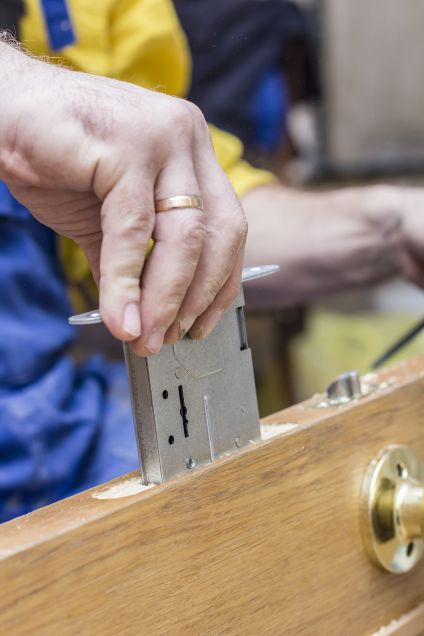
Mortice locks, also known as lever locks, are commonly found in wooden doors and some older aluminium doors. They are either 2, 3, or 5 lever locks, referring to the levers inside the lock that the key aligns with. The more levers a lock has, harder it is to pick. Common variations for mortice locks are sash locks and dead locks. A sash lock has a latch, and it is used with a lever door handle or a doorknob, while dead lock does not have a latch and does not require a handle. The British standard for insurance approved mortice lock is BS3621 and it must have at least 5 levers.
- Euro Cylinder Door Locks
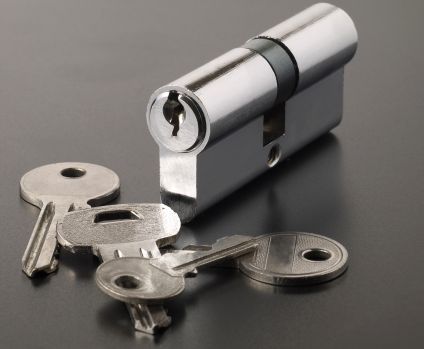
Also simply known as cylinder locks or pin tumbler locks, Euro Cylinder Door Locks are used all over Europe. They come in different sizes and under different brands, but the locks themselves are always the same shape. Euro locks operate using pins and springs instead of levers. Typically, a row of springs sits at the bottom, with two rows of pins on top. When a key is inserted, it pushes the top pins, which in turn push the bottom pins. The key aligns the pins to create a gap called the shear line. The bottom pins get trapped in the lock casing, while the top pins remain in the plug, which is the part that turns with the key. Turning the plug engages the cam in the lock's centre, which locks or unlocks the door. Euro locks are most commonly used in conjunction with a multi-point locks.
- Multi-point Locks
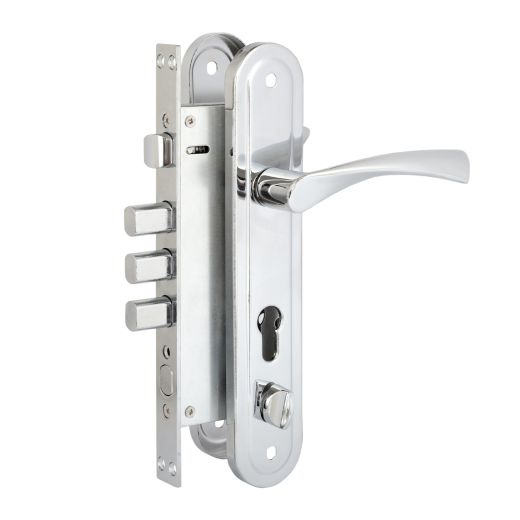
Multi-point locks are one of the most common lock types in the UK. A multi-point lock is a full-length strip fitted on the door edge, featuring hooks or bolts that lock into the frame. To operate it, lift the handle to extend the hooks or bolts into the frame, then turn the key in the euro lock. This action locks the handle and secures the hooks or bolts. Turning the key in the opposite direction releases the handle, allowing the hooks or bolts to retract when the handle is pushed down.
- Night latches and Yale locks
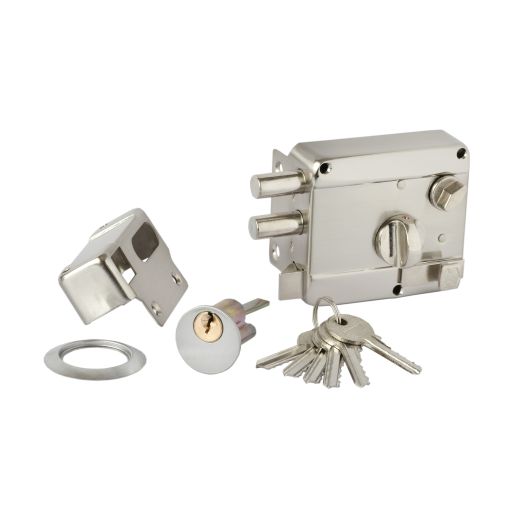
Night latches are often referred to as Yale locks, as they were originally manufactured by Yale. Most of them are self-locking, meaning that the door simply needs to be pulled shut and it will lock automatically, and a key is needed to open the lock from the outside. Some night latch variants offer a double locking feature for added security. After the door is closed, you can insert the key and turn it 360 degrees to deadlock the latch. This is particularly useful for doors with glass panels, as it prevents the handle from being pulled to release the lock if the glass is broken. It is important to check the required security standards of the lock with your insurance company, as most policies require the door to be fitted with more than just a night latch.
- Smart Locks
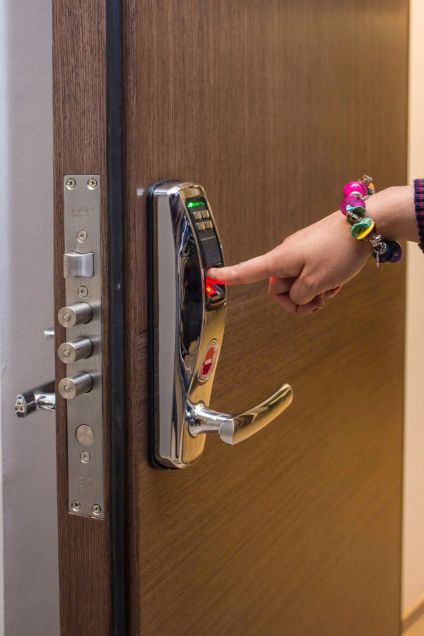
A smart lock is a digital lock that lets the homeowner lock and unlock their doors without the use of traditional keys. Instead, it uses either a keypad, key card, mobile app, voice command, or a biometric for example a fingerprint. Smart locks allow the users to monitor the comings and goings in the house via the door sensors, and to allocate virtual keys, as well as temporary keys that expire after the assigned timeframe. Most smart locks come with an override feature, where a key can be inserted into a hidden lock, in case of a power outage or a technical fault. (1)
DIY Lock Maintenance
While some issues will require a professional eye, keeping up with a regular lock maintenance can help to keep locks in good condition and in turn avoid a costly visit from a locksmith.
DIY lock maintenance starts with one simple step: checking the locks for wear and tear on regular basis. Look for things like corrosion or rust, loose screws or other hardware, and check that the key still turns without any difficulty. The same goes for the keys: examine the keys regularly for cracks, bending, and excessive wear and replace a damaged key as soon as possible. Addressing these issues quickly, can prevent them from turning into a bigger, more costly problem.
Another simple aspect of basic lock maintenance is keeping the locks clean. Like any other part of the house, locks will collect dust, dirt, and grime and over time this can cause the locks to become stiff or even jam completely. By simply wiping the exterior with a damp cloth and spraying the interior with a lock cleaning spray and/or compressed air on a regular basis, can help to keep the lock operating smoothly. Avoid harsh chemicals; warm water with mild detergent should do the job.
Lubricating the locks is equally important, as it ensures that the internal parts will work freely and easily. Just note that different lock types require a different product. For example, cylinder type locks need a graphite-based lubricant, while mortice locks and multipoint locks use a silicone-based spray. (2)
Neglecting Your Lock Maintenance
Neglecting your lock maintenance can cause numerous issues, the most obvious of which are with the locks themselves. By ignoring basic maintenance, such as cleaning, lubrications, and checking for wear and tear, can eventually create much bigger problems and lead to the lock or the key breaking completely.
Besides this, badly maintained locks can be a security risk. Outdated locks may not meet the modern safety standards and neglected, worn out hardware can be easier to pick or force open. In addition, insurance companies may refuse to cover a theft, if it happens because of badly maintained, unsecure locks.
It is also worth noting that a malfunctioning lock can cause a danger in a case of a fire, or other situation where the premises need to be evacuated quickly. Defective lock can also lead to situations where the occupier is left locked out of their house which will at best, be inconvenient, but at worst dangerous, if this happens at nighttime or at a time of extreme weather. (3)
Cost of Replacing a Lock
The prices for replacing a damaged lock can vary a lot depending on the type of lock, its brand and security standard, as well as whether there is any extra call out charges included in the job. Other things that may affect the price are the location (London tends to be more expensive), how long does the job take for the locksmith to finish, and what distance they must travel.
For example, changing a euro cylinder lock will typically cost between £100 and £150, and replacing a mortice lock can vary between £100 and £150. (5)
What to Look for in a Locksmith
UK Locksmiths have no government regulation, so finding a reputable operator can be daunting. Here are some tips for what look for in a locksmith:
- Look for locksmith with 3rd party approval and accreditation, such as Master Locksmith Association (MLA) or The Guild of Master Locksmiths UK (GMLUK) approved companies. These companies are regularly inspected, have DBS security checks, and employs a qualified Master Locksmith.
- Even if the locksmith’s website mentions accreditation, it is good to double check whether the claim is true. Some companies may use accreditation logos without permission and others may advertise accreditations which can simply be bought, and therefore, do not have much merit.
- Get quotes from at least three different locksmiths (Find a locksmith near you). This way you will get a better idea of the appropriate price point.
- Use one of our local professionals, who are verified and have a lot of experience.
- Beware of cheap locksmith adverts on other websites. Adverts promoting locksmith services for only £49 / £59 often have hidden costs attached to them.
- Ask around. Like when hiring any kind of professional, asking recommendations from friends and family is invaluable. Do also check online reviews as well as the company’s social media sites. You can also check the company’s details and whether they are still trading from Companies House website. (4)
Reference Links:
- https://www.the-locksmith-world.co.uk/door-lock-types/
- https://www.on-magazine.co.uk/homes/diy-lock-maintenance-tips-from-a-locksmith
- https://www.nightanddaylocksmiths.com.au/the-hidden-risks-of-ignoring-home-lock-maintenance/
- https://www.locksmiths.co.uk/faq/choosing-a-locksmith/
- https://www.locksmiths.co.uk/faq/locksmith-prices/
Author: Niina Doherty